Senior Care & Aging Gracefully: Strategies for Healthy Aging
- Jul 4, 2023
- 9 min read
Updated: Dec 21, 2025
Healthy aging strategies are not reserved for people who have already reached their eighties. The habits you build in your forties, fifties, and sixties directly change how your seventies and beyond feel. The best approach involves making small, steady choices that you repeat day after day.
If you want your later years to feel strong and clear-headed, you are in the right place. You might be caring for aging parents while juggling work and wondering if you can do things differently. You can change the script starting today with practical shifts in how you move, eat, sleep, and connect.
Table Of Contents:
Why Healthy Aging Is About Healthspan, Not Just Lifespan
Most people say they want to live a long life, but what they really desire is a long, healthy life. Researchers call this your healthspan. It is the number of years you live with energy and independence, rather than years spent limited by illness.
Studies show that while people live longer today, many are managing more chronic conditions at the same time. Reports from major health organizations track disability in older adults to understand this trend. The goal is to close the gap between total years lived and years lived in good health.
Research on long-lived communities, often called Blue Zones, points to a hopeful conclusion. Daily habits matter a great deal. Older adults in these areas move often, eat mostly plants, and maintain strong social connections well into their nineties.
Healthy Aging Strategies That Start With How You Move
One clear pattern in every healthy community is constant movement. You do not need to live in the gym to stay healthy. You simply need to avoid long stretches of sitting and build physical activity into your daily routine.
Simple things like walking, gardening, or climbing stairs count as regular exercise. Research shows that consistent movement supports heart health and helps manage weight. It also lowers the risk of several age-related diseases that tend to appear as we grow older.
Build and Protect Muscle As You Age
After age thirty, you slowly start to lose muscle mass unless you actively train to keep it. This loss is a primary reason why some people feel weak or unsteady later in life. Keeping muscles strong is what lets you lift groceries and stay independent at home.
Experts recommend three main pillars for muscle maintenance. You need resistance exercise, enough protein, and daily activity. Body weight moves like chair squats or wall pushups make a real difference.
Type of activity | How often | Key benefits for aging |
Brisk walking | 5 days per week, 20 to 30 minutes | Supports heart health and mood |
Strength training | 2 to 3 days per week | Maintains muscle and bone |
Balance exercises | Most days | Cuts fall risk and helps prevent falls |
Stretching or yoga | 2 to 3 days per week | Keeps joints mobile and reduces stiffness |
Movement That Protects Your Heart and Brain
Cardio work, like walking or cycling, pumps more blood to your brain and helps your heart muscles stay strong. Guidance from the National Institute on Aging suggests at least 150 minutes of moderate activity each week. That is about 20 minutes a day at a comfortable pace.
You can use a watch to track steps or set alarms to stand every hour. Link your walks to habits you already have, like listening to an audiobook. A small nudge to move is one of the simplest healthy aging strategies available.

Eat Like Long Lived Communities Do
It is easy to get confused by diet trends, but the research is surprisingly steady. Eating mostly plants, lean protein, and healthy fats supports a longer life. One pattern that appears repeatedly in longevity studies is the Mediterranean diet.
Women who stick closely to a plant-centered way of eating often have a lower risk of death from various causes. This approach focuses on vegetables, fruits, nuts, whole grains, and legumes. It also suggests you limit foods like red meat and processed snacks.

Mediterranean Style Basics
This way of eating is less about rigid rules and more about consistent lifestyle choices over time. It is common in regions where food is fresh and low in refined sugar. The focus is on nutrient-dense options rather than empty calories.
Here is what that usually looks like on your plate.
Half your plate filled with colorful vegetables and some fruit.
Quarter of your plate with whole grains, such as brown rice or oats.
Quarter of your plate with lean protein, like fish, beans, or poultry.
Healthy fats from sources such as extra virgin olive oil or nuts.
Older adults who use olive oil as their main fat often see specific health benefits. Limiting saturated fats found in butter and fatty meats helps protect the arteries. This is a core part of cardiovascular disease prevention.
Eat for Stable Energy and Healthy Blood Sugar
Beyond what you eat, it matters how much and how often you eat. Diets like the Okinawan pattern are lower in calories but packed with nutrients. This helps maintain a healthy weight without feeling deprived.
You do not have to track every calorie to learn from this. Focus on real food with plenty of fiber and stop eating when you are satisfied. If you have specific health conditions like diabetes, talk with your primary care provider for a plan that suits your needs.
Hydration Is Not a Small Detail
Most adults simply do not drink plenty of water. As you age, your sense of thirst weakens, making it easy to forget to hydrate. Studies show that adults who stay well hydrated tend to have fewer chronic conditions.
Keep a water bottle in sight during the day and sip steadily. If plain water is boring, try herbal tea or water with a slice of lemon. Be careful with sweetened drinks, as they can spike blood sugar.
Healthy Aging Strategies for Your Brain and Mood
A healthy body and a healthy mind are deeply tied together. As the body slows down, the brain can feel it, but the reverse is also true. Mental health plays a huge role in how well you age physically.
Activities that challenge your brain help create new pathways. Learning a new instrument, doing puzzles, or reading can help slow cognitive decline. Staying mentally active is just as important as keeping your body moving.

Social Connection Is Not Optional
If you have ever felt the difference between a lonely week and a full one, you know social health matters. Research shows that people who socialize more tend to live longer. Strong social connections act as a buffer against stress and depression.
Spending time with family and friends is protective. Even if you are an introvert, joining a club or volunteer group helps you stay connected. People simply do better when they do not feel alone.
Stress, Sleep, And Your Aging Brain
Chronic stress and poor sleep act like slow drips that wear away at your health. They make blood pressure harder to control and weaken the immune system. A consistent wind-down routine promotes good sleep and helps your brain recover.
Most adults need between seven and nine hours of rest. If you wake up exhausted or snore loudly, speak with a doctor. Conditions like sleep apnea are common health problems that are treatable but often ignored.
Staying on Top of Screenings, Prevention, and Research
No list of healthy aging strategies is complete without mentioning prevention. Staying proactive gives you a head start against disease. Many conditions, including heart disease, are easier to treat if you have high health literacy and catch them early.
Community health programs often provide resources to help you stay on track. Screening and early treatment are vital tools. They raise survival rates and help you maintain a high quality of life.
Key Screenings To Discuss With Your Clinician
Your plan should be based on your age, family history, and lifestyle medicine principles. Building a relationship with a clinician allows them to track changes over time. They can help you schedule regular tests appropriate for your needs.
Blood pressure checks and cholesterol tests to monitor heart health.
Screening for diabetes or prediabetes to manage blood sugar.
Bone density tests to spot osteoporosis risk and keep bones strong.
Cancer screenings, such as mammograms or colonoscopies.
Vision and hearing checks that affect safety and social life.
Make Your Home a Safer Place to Grow Older
Health is also shaped by the space you live in. One major risk for older adults is falling, which can threaten independence. Simple changes at home can prevent falls and keep you safe.
Walk through your home to look for trip hazards like loose rugs or cords. Install grab bars in the shower and improve lighting in hallways. These shifts help you stay healthy and avoid injuries that could change your life.
You can also ask for a home assessment from occupational therapists. Many health systems highlight how these assessments help older adults stay in their homes longer. It is a smart way to protect your physical health.
Skin, Sun, and Aging Gracefully on The Outside
Skin care becomes a safety issue as we age. Aging skin is thinner and more sensitive to the sun. Specialists stress the importance of daily care to prevent damage.
Wear a hat and protective clothing when you are outside. Use sunscreen on exposed skin to protect against harmful rays. Keeping skin moisturized prevents dryness and reduces the risk of infection.
Your skin is your largest organ. Treating it well protects you from infection and keeps you comfortable. It also supports your confidence as you move through the aging process.

Eliminating Bad Habits For a Healthier Life
It is never too late to stop habits that harm your body. Smoking tobacco is one of the biggest threats to healthy aging. When you quit smoking, your body begins to repair itself almost immediately, improving heart and lung function.
You should also limit alcohol intake. As we age, our bodies process alcohol more slowly, which can lead to balance issues and interactions with medications. Cutting back helps you sleep better and keeps your mind sharp.
Small changes in these areas lead to healthier lives. If you need help, ask your doctor for support strategies. Breaking these habits significantly lowers your risk of chronic diseases.
Men, Women, and Personalized Healthy Aging Strategies
Men and women share the same core pillars for aging well. However, there are sex specific details to consider as hormones change. Awareness of these differences helps promote healthy aging for everyone.
Women may deal with bone density changes or weight gain after menopause. Programs for female health often emphasize calcium intake and strength work. These are essential for keeping bones strong and preventing fractures.
Men often face heart disease at earlier ages. Preventive care for men should focus on blood pressure control and prostate screenings. Men also benefit from open conversations about stress and mental health to avoid carrying burdens alone.
Caring for Someone Else While Caring for Yourself
You might be reading this as a care patient provider rather than the one aging. Caregiving is a beautiful way to honor a loved one, but it can be draining. It is vital to pay attention to your own needs to avoid burnout.
Healthy aging for caregivers means prioritizing your own sleep and regular checkups. Use respite care and community support programs when possible. You cannot pour from an empty cup, so starting early with boundaries is key.
Talk with local clinics about family meetings to plan care together. This approach is more productive than handling crises alone. Shared planning helps everyone involved experience a better quality of life.
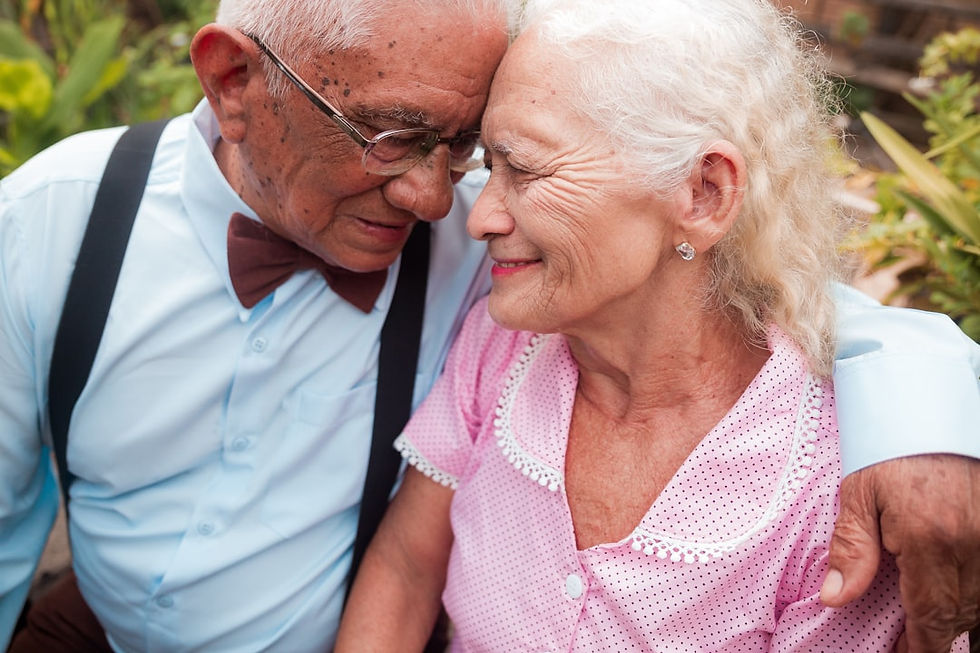
Mindset, Meaning, and Staying Curious
Your mindset plays a massive role in how you experience aging. People who stay curious and maintain a sense of purpose tend to be happier. Research suggests that having a reason to get up in the morning contributes to a longer life.
Gratitude practices and spiritual life are not just extras. They help you process change and adjust to physical limits. Cognitive function often stays sharper when you remain engaged with the world.
If you struggle with sadness, seek help. Depression is not a normal part of aging. Addressing mental health is a powerful step toward a fulfilling life.
Conclusion
Healthy aging strategies come down to treating your future self with kindness. Every time you choose a walk, a healthy meal, or a chat with a friend, you invest in your health. These small choices stack up to create a stronger, more vibrant future.
The science is clear on what works. Large studies consistently point to diet, movement, and social connection as the pillars of a good life. Aging well is about layers of habits that you check and tune over the years.
You do not have to change everything at once. Pick one or two strategies from this guide that feel realistic for you. Whether it is scheduling a checkup or drinking more water, these steps help you look forward to living fully.
General physical. Same-day availability.


Comments