12 Energy-Boosting Foods That Beat Afternoon Slumps
We've all been there. It's 2 PM, and suddenly your eyelids feel like they weigh a thousand pounds. That afternoon energy crash doesn't just make you want to crawl under your desk for a nap. It can seriously impact your productivity and mood for the rest of the day.
Before you reach for your third cup of coffee or a sugary snack, consider this: the right foods can provide sustained energy without the inevitable crash that comes from caffeine and refined sugars.
Let's explore twelve science-backed energy boosting foods that can help you power through your afternoon with steady, lasting vitality.
Table Of Contents:
The Science Behind Afternoon Slumps
Your post-lunch energy dip isn't just in your head. It's a well-documented phenomenon with multiple physiological causes. Understanding what's happening in your body can help you combat fatigue more effectively.
Circadian Rhythm Fluctuations: Your body's internal clock naturally experiences a dip in alertness between 1 PM and 3 PM. This is the same biological mechanism that makes you feel sleepy at night, just less intense. Even if you slept perfectly the night before, this dip will occur.
Blood Sugar Dynamics: When you eat a meal, especially one high in refined carbohydrates, your blood sugar spikes rapidly. Your pancreas responds by releasing insulin to shuttle that sugar into your cells.
However, sometimes this response can be a bit overzealous, causing your blood sugar to drop below baseline, leaving you feeling sluggish and foggy.
Postprandial Dip: After eating, your body diverts blood flow and resources to your digestive system. This redistribution can temporarily reduce blood flow to your brain, contributing to that drowsy feeling. Larger meals and those high in fats can intensify this effect.
Dehydration Factor: By afternoon, many people are mildly dehydrated without realizing it. Even a 1-2% drop in hydration can impair cognitive function and increase feelings of fatigue.
The key to beating this slump is choosing foods that provide steady energy release, support stable blood sugar levels, and deliver the nutrients your cells need to produce energy efficiently.
12 Foods to Boost Energy in The Afternoon
1. Almonds and Other Nuts

These crunchy powerhouses pack a triple threat of protein, healthy fats, and fiber that work together to provide sustained energy. Almonds are particularly rich in magnesium, a mineral that plays a crucial role in converting food into energy at the cellular level. Research shows that even mild magnesium deficiency can increase the energy required to complete physical tasks.
A single ounce of almonds (about 23 nuts) provides 6 grams of protein and 3.5 grams of fiber, along with vitamin E and manganese. The healthy monounsaturated fats help stabilize blood sugar by slowing digestion.
Walnuts, cashews, and pecans offer similar benefits with slightly different nutritional profiles. Keep a small container at your desk for an easy afternoon pick-me-up.
2. Greek Yogurt

With nearly twice the protein of regular yogurt — often 15-20 grams per serving — Greek yogurt helps stabilize blood sugar levels and keeps you feeling satisfied for hours. The combination of protein and probiotics supports both energy levels and digestive health. The beneficial bacteria in yogurt may also influence your gut-brain axis, potentially affecting mood and mental clarity.
Choose plain varieties to avoid the 15-20 grams of added sugar found in many flavored options. Instead, add fresh berries, a drizzle of honey, or a sprinkle of granola for natural sweetness. The calcium in yogurt also plays a role in energy metabolism and muscle function.
3. Bananas
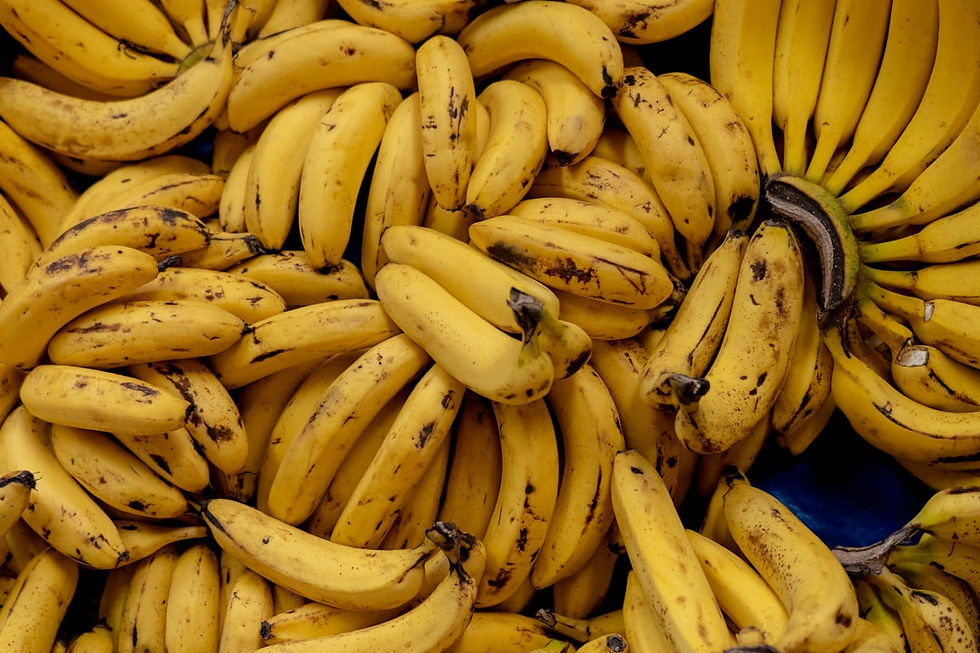
Nature's energy bar comes in its own biodegradable packaging. A medium banana contains about 27 grams of carbohydrates, 3 grams of fiber, and 14% of your daily potassium needs. The fiber slows sugar absorption, preventing the spikes and crashes associated with candy or soda, while the natural sugars provide quick-acting fuel.
Potassium is essential for maintaining proper muscle and nerve function. A deficiency can lead to muscle weakness and fatigue. Bananas also contain vitamin B6, which helps your body convert food into usable energy. The riper the banana, the higher the sugar content, and the faster the energy hit, so choose your ripeness based on your needs.
4. Oatmeal

Not just for breakfast, oatmeal is rich in complex carbohydrates and beta-glucan fiber, which provides a slow, steady release of energy over several hours. Unlike simple carbs that digest quickly, the complex carbohydrates in oats take time to break down, providing sustained fuel without blood sugar spikes.
Steel-cut or rolled oats are your best bet. Skip the instant packets that often contain added sugars and have been processed to the point where they've lost much of their fiber content.
Oats are also rich in B vitamins, iron, and magnesium, all crucial for energy production. Try a small bowl of overnight oats as an afternoon snack, or add a few tablespoons to your smoothie for extra staying power.
5. Salmon and Fatty Fish

Rich in omega-3 fatty acids and B vitamins, salmon helps reduce inflammation and supports brain function — both important factors in maintaining energy levels. The omega-3s EPA and DHA have been shown to improve mental clarity and reduce the mental fatigue that often accompanies the afternoon slump.
Wild-caught salmon provides about 22 grams of protein per 3-ounce serving, along with nearly 100% of your daily vitamin D needs. Vitamin D deficiency is strongly linked to fatigue and low energy.
Other fatty fish like mackerel, sardines, and trout offer similar benefits. Even a small portion (3 to 4 ounces) can make a noticeable difference in your energy levels and cognitive performance.
6. Sweet Potatoes

These vibrant root vegetables are loaded with complex carbohydrates, fiber, and vitamins A and C. A medium sweet potato contains about 4 grams of fiber and over 400% of your daily vitamin A needs.
Unlike regular white potatoes, sweet potatoes have a lower glycemic index (meaning they raise blood sugar more slowly), providing longer-lasting energy without the roller coaster effect.
The high fiber content slows digestion, while the natural sugars provide readily available energy. Sweet potatoes are also rich in manganese, which helps with carbohydrate metabolism and energy production. Try baking several at once for easy grab-and-go snacks throughout the week, or add roasted sweet potato cubes to salads.
7. Spinach and Leafy Greens

Popeye was onto something, though he may have overestimated the iron content slightly. Spinach is indeed rich in iron, which is essential for transporting oxygen throughout your body via red blood cells. Without adequate iron, your cells can't produce energy efficiently, leading to fatigue and weakness.
Beyond iron, spinach provides magnesium, folate, and vitamin K, all playing key roles in energy production at the cellular level. Just one cup of cooked spinach provides about 6 mg of iron (roughly 35% of the daily value for women).
Other powerhouse greens include kale, Swiss chard, and collard greens. Add a handful to smoothies, omelets, or grain bowls for an energy boost.
8. Eggs

One of nature's most complete protein sources, eggs contain all nine essential amino acids your body needs for energy production, muscle maintenance, and countless other functions. A single large egg provides about 6 grams of high-quality protein and only 70 calories.
Eggs are particularly rich in B vitamins, especially B12, which helps convert food into usable energy and supports healthy nerve function. The yolk contains choline, important for brain health and cognitive function.
Hard-boiled eggs make an excellent portable snack. Prepare a batch at the beginning of the week for convenient energy boosters. The combination of protein and healthy fats provides sustained energy for 2-3 hours.
9. Dark Chocolate (70% or Higher)

Good news for chocolate lovers! Dark chocolate with at least 70% cacao contains natural stimulants like caffeine and theobromine, but in much smaller amounts than coffee (typically 12-25mg of caffeine per ounce compared to 95mg in a cup of coffee). This provides a gentle, sustained lift without the jitters or crash.
Dark chocolate is also exceptionally rich in antioxidants called flavonoids, which can improve blood flow to the brain and enhance cognitive function. Studies suggest that the flavonoids in cacao may improve mood and reduce mental fatigue.
Just stick to a square or two (about one ounce). Moderation is key, as the calories and fat can add up quickly.
10. Quinoa

This ancient grain (technically a seed) is actually a complete protein containing all essential amino acids, which is rare for plant-based foods. One cup of cooked quinoa provides 8 grams of protein, 5 grams of fiber, and significant amounts of iron, magnesium, and manganese.
Quinoa's complex carbohydrates provide sustained energy over several hours, while its high protein content helps stabilize blood sugar. It's also incredibly versatile — use it as a lunch base, mix it into salads, or even prepare it sweet with cinnamon and fruit for an afternoon snack.
The iron and magnesium content support oxygen transport and energy metabolism at the cellular level.
11. Edamame

These young soybeans are a plant-based protein powerhouse that's often overlooked as a snack option. A cup of edamame provides about 17 grams of protein along with 8 grams of fiber and essential vitamins and minerals. This combination helps maintain stable blood sugar levels and sustained energy throughout the afternoon.
Edamame is rich in folate and vitamin K, both important for energy metabolism and overall health. It's also one of the few plant sources that provides all nine essential amino acids.
Keep frozen edamame on hand. It takes just minutes to steam or microwave, and a light sprinkle of sea salt is all you need. The act of popping the beans out of their pods can also provide a mindful break from work stress.
12. Berries (Blueberries, Strawberries, Raspberries)

Packed with antioxidants, fiber, and natural sugars, berries provide a quick energy boost without the crash associated with candy or pastries. A cup of mixed berries typically contains 3-4 grams of fiber, which helps slow sugar absorption and prevent blood sugar spikes.
The antioxidants — particularly anthocyanins that give berries their vibrant colors — help fight oxidative stress that can contribute to fatigue and mental fog. Research suggests that berries may improve cognitive function and protect brain cells from damage.
Blueberries in particular have been studied for their ability to enhance memory and mental performance. Fresh or frozen, both work well; add them to yogurt, oatmeal, or simply enjoy them on their own.
Smart Pairing Strategies for Maximum Energy
The magic often happens when you combine these foods strategically. Here are some powerful combinations that balance macronutrients for optimal energy:
Protein + Complex Carbs + Healthy Fats: Greek yogurt with berries, a sprinkle of oats, and sliced almonds provides all three macronutrients for sustained energy and satiety.
Healthy Fats + Protein + Fiber: Apple or banana slices with almond butter combine quick-acting fruit sugars with the staying power of protein and healthy fats.
Complex Carbs + Protein + Greens: A quinoa bowl with spinach, hard-boiled eggs, and roasted sweet potato offers a complete energy meal with diverse nutrients.
Quick Energy + Sustained Release: A few squares of dark chocolate paired with a handful of nuts gives you an immediate lift plus longer-lasting energy. The goal is to combine foods that digest at different rates, providing both immediate fuel and sustained energy over 2-4 hours.
Timing Matters: When to Eat for Optimal Energy
Strategic timing can make a significant difference in preventing the afternoon slump before it starts:
Eat a balanced lunch (12-1 PM) that includes protein, complex carbohydrates, and healthy fats. Aim for about 400-600 calories, depending on your needs. Avoid meals heavy in refined carbs and sugars, which will set you up for a crash within 1-2 hours.
Have a strategic snack (2:30-3 PM) before the slump hits. Choose one of the combinations above rather than waiting until you're already dragging and reaching for whatever's convenient (usually sugar or caffeine).
Stay hydrated throughout the day. Aim for 8 ounces of water every 1-2 hours. Even mild dehydration can cause fatigue and difficulty concentrating.
Consider your breakfast too. Starting the day with protein and complex carbs (rather than sugary cereal or pastries) sets the stage for stable energy all day.
What to Avoid During Your Afternoon
While we've focused on what to eat, it's equally important to know what to skip: Refined sugary snacks and drinks cause rapid blood sugar spikes followed by crashes. That candy bar might feel energizing for 20 minutes, but you'll pay for it with even worse fatigue an hour later.
Heavy, greasy foods require significant digestive energy, leaving you feeling sluggish. Your body has to work harder to break down high-fat foods, diverting resources from your brain and muscles.
Excessive caffeine might seem like the obvious solution, but more than 200-300mg (2-3 cups of coffee) can lead to jitters, anxiety, and crashes later. It can also disrupt your sleep that night, creating a vicious cycle of fatigue.
Large portions of anything — even healthy foods — can trigger that postprandial dip as your body diverts resources to digestion. Keep afternoon snacks to 150-250 calories.
Building Your Personal Energy Plan
Everyone's metabolism and energy needs are slightly different. Keep a food and energy journal for a week to identify patterns. Note what you eat, when you eat it, and how you feel 30 minutes, 1 hour, and 2 hours later. You may discover that certain foods work better for your body than others.
Start by incorporating 2-3 of these energy-boosting foods into your routine this week. Once you find combinations that work for you, prepare them in advance so they're ready when the afternoon slump threatens.
Batch-prep hard-boiled eggs, portion out nuts into small containers, cut up vegetables, or prepare overnight oats on Sunday for the week ahead.
The Bottom Line
Beating the afternoon slump doesn't require willpower alone. It requires smart nutritional choices. By incorporating these twelve energy-boosting foods into your daily routine, you can maintain steady energy levels, improve focus, and feel better throughout your entire day.
Remember, sustainable energy comes from nourishing your body with whole, nutrient-dense foods rather than relying on quick fixes like sugar and excessive caffeine. These foods work with your body's natural rhythms and metabolic processes to provide the steady, reliable energy you need to thrive from morning through evening.
Start experimenting with these options today to discover which combinations work best for your body, schedule, and taste preferences. Small, consistent changes in your nutrition can lead to significant improvements in your energy, productivity, and overall well-being.
Stay on top of your health. Book your general physical today — same-day slots open!
The information provided in this blog post is for educational purposes and should not replace professional medical advice. If you experience chronic fatigue or other concerning symptoms, please consult with a healthcare provider.


Comments