Eating the Rainbow: A Colorful Approach to Nutritional Food
- Mar 26, 2024
- 9 min read
Updated: Dec 16, 2025
You already know you should eat more fruits and vegetables. You have heard it from doctors, friends, maybe even from your own body after a sluggish week of drive-thru dinners. The eating the rainbow nutrition approach gives you a simple way to do that without counting calories or memorizing nutrition labels.
Instead of stressing about the perfect diet, you focus on color. Each color brings a different package of vitamins, minerals, and plant compounds. The eating the rainbow nutrition approach turns every plate into a small nutrition upgrade and a lot less guesswork.
This strategy promotes healthy eating by simplifying choices. It encourages you to look for a greater variety of items in the produce aisle. Your plate becomes a canvas for better health.
Table Of Contents:
What Is The Eating The Rainbow Nutrition Approach
Eating the rainbow is exactly what it sounds like. You fill your meals with a mix of red, orange, yellow, green, blue, or purple, and white or brown plant foods each day.
This is not a kiddie game, although it feels like one. It is a simple way to increase dietary variety, which has been linked with better overall health in many large studies.
Long-term epidemiological research has found that people who eat more fruits and vegetables have lower rates of heart disease, stroke, and some cancers. It is not just about total servings, though. Variety matters too.
This method aligns well with standard dietary guidelines. It moves you away from strict restrictions and toward abundance. You focus on what to add rather than what to cut.

Why Color Variety Matters For Your Health
Different plant colors often signal different phytonutrients. These are bioactive compounds that work alongside vitamins and minerals to protect your cells. They help fight off free radicals that can damage your body over time.
The World Health Organization notes that low fruit and vegetable intake is a major risk factor for noncommunicable diseases like heart disease, cancer, and type 2 diabetes. So, more color diversity is not just pretty on the plate. It may literally help you live longer.
By consuming foods rich in various pigments, you provide your body with a broad spectrum of protection. This can improve everything from healthy skin to immune function. It reduces reliance on supplements by getting nutrients directly from the source.
Breaking Down The Colors of The Rainbow
So what does each color family bring to the table? You do not have to memorize long names. You just need a few go-to choices for each color that you can use most weeks.
Red Foods

Red produce like tomatoes, watermelon, strawberries, cherries, and red bell peppers is often rich in lycopene and anthocyanins. Lycopene is a carotenoid linked with a lower risk of certain cancers and heart disease in many population studies. Foods like watermelon are particularly refreshing sources.
Cooking tomatoes in a little oil helps your body absorb lycopene more easily. This nutrient is specifically noted for its potential to lower prostate cancer risk.
Easy red wins include salsa on eggs, cherry tomatoes in salads, or sliced strawberries on oatmeal. Red fruits like raspberries and pomegranates are also powerful antioxidants. They are delicious ways to support heart health.
Orange and Yellow Foods
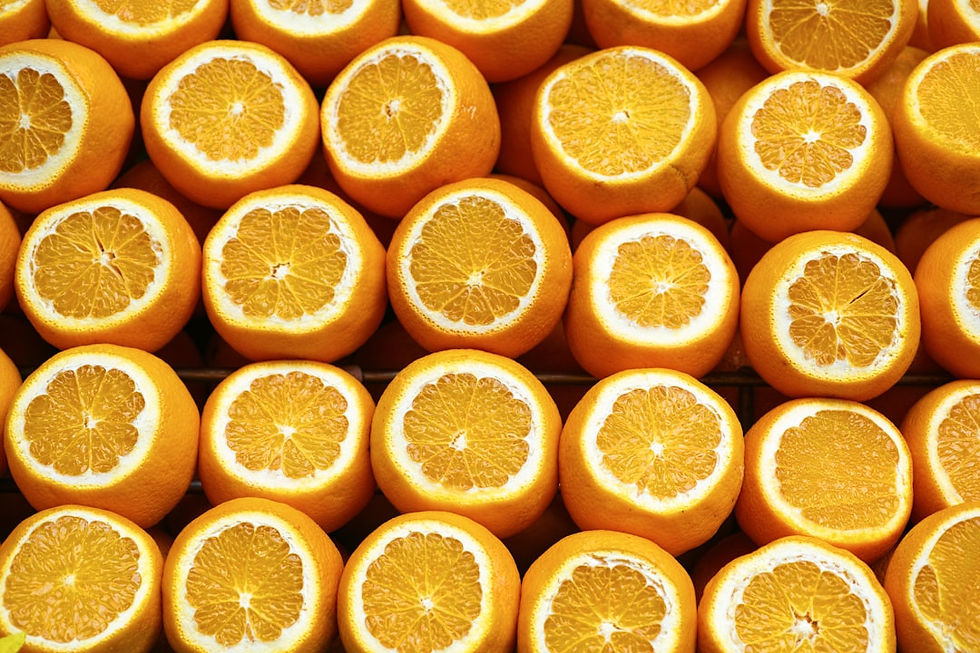
Carrots, sweet potatoes, winter squash, mangos, peaches, oranges, and yellow peppers are rich in beta carotene and vitamin C. Beta carotene converts to vitamin A in the body and supports vision and immune function. Yellow fruits like pineapples and lemons also fall into this beneficial category.
Potatoes that have yellow flesh can also provide potassium. You might think of these foods as your skin and eye support team. Roast a tray of carrots and sweet potatoes on Sunday, and you are set for several days. Include yellow bell peppers in your stir-fry for a crunch.
Green Foods

Leafy greens like spinach, kale, collards, mustard greens, Swiss chard, along with broccoli, Brussels sprouts, green beans, kiwi, and green herbs, pack vitamins A, C, E, K, plus minerals like calcium and iron. Green foods are often the most nutrient-dense part of a meal. Even green fruits like grapes and honeydew offer unique benefits.
Green foods often contain chlorophyll, folate, and many glucosinolates. Studies found links between green vegetables and markers of cardiometabolic health and reduced risk of some cancers. Regular intake of leafy green vegetables supports healthy blood clotting and bone strength.
Adding green tea to your routine can further boost your antioxidant intake. Some evidence suggests compounds in green vegetables may help manage weight gain. Try to include Brussels sprouts or broccoli at least once a week.
Blue and Purple Foods

Blueberries, blackberries, plums, purple cabbage, purple grapes, and eggplant are rich in anthocyanins. These are pigments that act as powerful antioxidants. Purple fruits and vegetables are sometimes overlooked, but are vital for brain health.
If you often skip purple foods, start simple. Add frozen blueberries to smoothies or yogurt. Use red cabbage in slaw instead of regular green.
Small color swaps stack up fast. Research suggests these pigments may support brain function as you age. Blue-purple foods are truly powerhouses for mental health.
White and Brown Foods
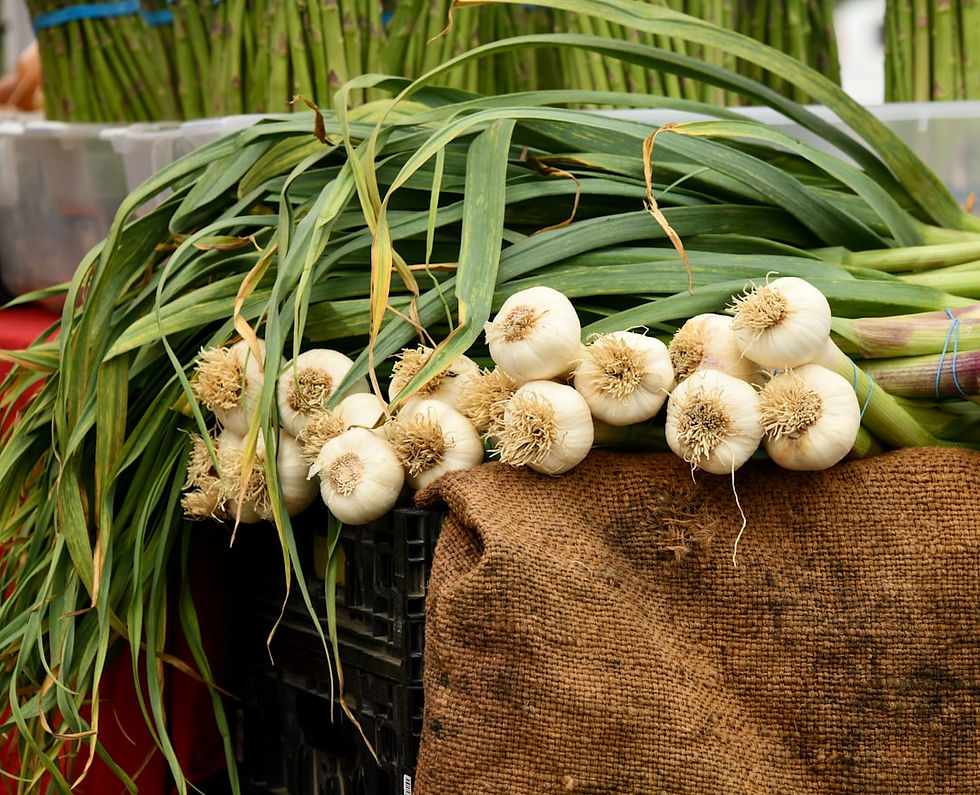
They may look plain, but white and brown plants matter. Think onions, garlic, leeks, cauliflower, mushrooms, parsnips, turnips, potatoes with skin, bananas, and oats. Cauliflower rice is a popular low-carb way to include this group.
Many of these foods carry compounds like allicin in garlic, prebiotic fibers in onions, and various phytonutrients. White fruits and vegetables may be related to a lower stroke risk over 10 years.
Think of this group as the quiet work crew. They help your gut, your immune system, and your heart while not stealing the spotlight. Some compounds in mushrooms have even been studied for anti-tumor properties.
How Color Variety Protects Your Body
At this point, you might wonder whether all this color talk actually changes your long-term health picture. Many teams have looked at that from different angles. Eating the rainbow helps prevent deficiencies that can lead to chronic issues.
Research shows that greater fruit and vegetable variety relates to lower risk of lung cancer, gastric and esophageal cancer, and cognitive decline in older adults, seen across several cohorts in cancer epidemiology data and cognitive studies.
Other studies link fruit intake with lower cardiometabolic risk. This connects directly to reducing cardiovascular disease factors. Diet quality indices that favor plant-rich patterns are also connected to better health in children and adolescents across several outcomes.
So getting your family used to color variety early can be a long-term gift. It may even influence factors like breast cancer risk later in life.
Simple Ways To Start Eating The Rainbow

You do not have to flip your whole diet this week. In fact, slower shifts often last longer. Start with where you are now.
Think through a usual day of meals. How many colors do you see on your plate, beyond beige and brown? Many people realize they repeat the same one or two colors day after day.
From there, aim for one extra color at a time. Over a few weeks, your cart and your meals will look very different. Reducing ultra-processed foods creates more room for these colorful options.
Set a Daily Color Goal
A simple target is to eat at least three to five different colors every day. You do not have to hit every color at every meal. Just keep an eye out for rainbow colors throughout the day.
Maybe breakfast has berries and bananas, lunch has greens and tomatoes, and dinner brings in orange or yellow. The goal is overall diversity, not perfection. Include carrots as a snack to easily hit the orange.
Plan Your Plate By Color, Not Macros
You might be tired of tracking grams of this and that. The eating the rainbow nutrition approach lets you plan dinner with one simple question. Which colors are missing?
Build your plate around three parts. One protein source, one high fiber carb source like beans or whole grains, and at least two plant colors on the side. This ensures you get great sources of fiber and vitamins.
It is a simple pattern you can repeat with endless color combos. The same protein can pair with red and green one night and orange and white another night. Use extra virgin olive oil as your healthy fat to aid absorption.
Use a Weekly Color Shopping List
To make this easier, create a small list for each color that fits your taste, budget, and season. Then aim to grab at least one or two items from each list during the week.
Color | Easy options to keep on hand |
Red | Tomatoes, salsa, strawberries, red grapes, red peppers |
Orange | Carrots, sweet potatoes, clementines, canned pumpkin |
Yellow | Bananas, corn, yellow peppers, pineapple |
Green | Spinach, mixed greens, broccoli, frozen peas |
Blue or purple | Blueberries, blackberries, purple cabbage, raisins |
White or brown | Onions, garlic, mushrooms, oats, potatoes with skin |
Print or save a list like this on your phone, and you will have an easy nudge in the store. Over time, grabbing a mix from each row becomes second nature. You can check digital tools for ideas, just be sure to review their privacy policy if you sign up.
Making Eating The Rainbow Work In Real Life

You might be thinking that this sounds nice, but you are busy, picky, or on a tight budget. That is real life. You can still use the eating the rainbow nutrition approach in flexible ways.
Frozen and canned options count, as long as you watch for added sugar and heavy syrup. Many frozen berries and vegetables are picked at peak ripeness and can be more affordable than fresh, especially out of season.
Don't forget healthy fats to go with your veggies. A dressing made with virgin olive oil or extra virgin olive oil helps your body utilize fat-soluble vitamins. Even simple virgin olive varieties are better than heavy cream sauces.
Ideas for Busy Mornings
Breakfast can set the tone for the day, or at least help you sneak in one or two colors before your email floods in. Here are some simple combos.
Greek yogurt with blueberries and sliced banana.
Oatmeal cooked with frozen cherries and a spoon of peanut butter.
Whole-grain toast with mashed avocado and sliced tomato.
Smoothie with spinach, mixed berries, and a scoop of protein powder.
Pick one idea that fits your style and rotate through it for a while. Then add new ones when you are ready. Even green tea with lemon counts as a colorful start.
Easy Lunch and Dinner Color Swaps
You do not need chef skills. Often, it is one extra item or a small swap.
Add a handful of baby carrots and snap peas next to your sandwich.
Swap plain white rice for a mix of brown rice and frozen mixed vegetables.
Toss a bag of coleslaw mix and some chickpeas with extra virgin olive oil and lemon.
Top tacos with shredded red cabbage and salsa instead of only cheese.
The trick is to think color first. You can still enjoy familiar flavors. You just color them up with yellow-green veggies or red onions.
The Eating The Rainbow Nutrition Approach In Your Life
It is easy to read an article and think, "That sounds great for someone else". Maybe someone who loves to cook, or who never eats out. But the eating the rainbow nutrition approach can live inside any style of eating with some creativity.
If you rely on takeout, pick the dishes that have more vegetables built in. Think stir-fries, salads with beans, fajitas loaded with peppers and onions, or pizza with extra veggie toppings. Even asking for extra salsa boosts your intake.
If you cook often, challenge yourself to try one new, colorful fruit or vegetable each week. That might be as simple as swapping iceberg lettuce for a darker leafy green mix, or grabbing purple potatoes instead of white ones once in a while. Use online communities on Facebook, Twitter, and Pinterest to find new recipes.
Conclusion
Healthy eating can feel heavy, full of rules and charts. The eating the rainbow nutrition approach offers something lighter: just scan your plate for color.
The beauty of eating the rainbow is that it's simple, flexible, and naturally guides you toward better nutrition without complicated rules or restrictions. By focusing on color diversity rather than strict diets, you're giving your body the comprehensive nutrition it needs to thrive.
Make your plate a canvas, experiment with new produce, and enjoy the journey toward more colorful, nutritious eating. Remember: every colorful addition is a step toward better health.
General physical. Same-day availability.


Comments