Inflammation-Reducing Foods You Should Add to Your Diet
Do you ever just feel run down? Maybe your joints ache a little more than they used to, or you are dealing with a constant feeling of fatigue you just cannot shake.
These nagging issues might be your body sending a signal that something is out of balance. The culprit could be chronic inflammation, and the good news is you have some control over it by adding certain inflammation-reducing foods to your diet.
Changing what you eat is a powerful first step toward feeling better and supporting a healthy lifestyle. This isn't about a restrictive diet but rather a sustainable eating plan. Making conscious choices about inflammation-reducing foods can genuinely change how you feel day to day.
Table Of Contents:
What Is Inflammation Anyway?
Inflammation often gets a bad rap, but it is not always a villain. When you cut your finger or twist an ankle, the redness and swelling you see are symptoms of acute inflammation.
This is your immune system's first response team, rushing to the scene to protect and heal the area as part of the body's natural defense mechanism.
This type of inflammation is short-term and essential for your survival. It is a sign that your body is working correctly to repair damage. The problem starts when the "off" switch gets stuck, and the inflammation does not resolve.
Chronic inflammation is a low-grade, simmering fire inside your body that can last for months or even years. This is the kind of inflammation that does not always have obvious symptoms but can contribute to serious health risks over time.
Why You Should Care About Chronic Inflammation
Think of chronic inflammation as a constant stress on your body's systems. Over time, this constant state of alert can wear things down. Scientists have found strong links between long-term inflammation and a wide range of health problems and chronic diseases.
These conditions include cardiovascular disease, which can affect blood pressure, and even neurological conditions like Alzheimer's disease. Other serious issues linked to inflammation are type 2 diabetes, metabolic syndrome, and autoimmune disorders like Crohn's disease. Even things like persistent joint pain and digestive troubles can be fueled by this internal fire, making it harder to find consistent pain relief.
Addressing it is not just about feeling better today; it is about protecting your long-term health and emotional health. Understanding the role of inflammation allows you to make powerful changes that support your body's wellness from the inside out.
Your Guide to Inflammation Reducing Foods
Shifting your diet is one of the most effective ways to calm chronic inflammation. You do not need a complicated overhaul or weird, expensive ingredients found at a specialty grocery store. You just need to focus on adding more whole, nutrient-rich foods to your plate as part of your healthy eating journey.
This approach to anti-inflammatory eating centers on real foods packed with anti-inflammatory compounds. Here is a look at some of the best foods to get you started.
Fatty Fish: Your Omega-3 Powerhouses
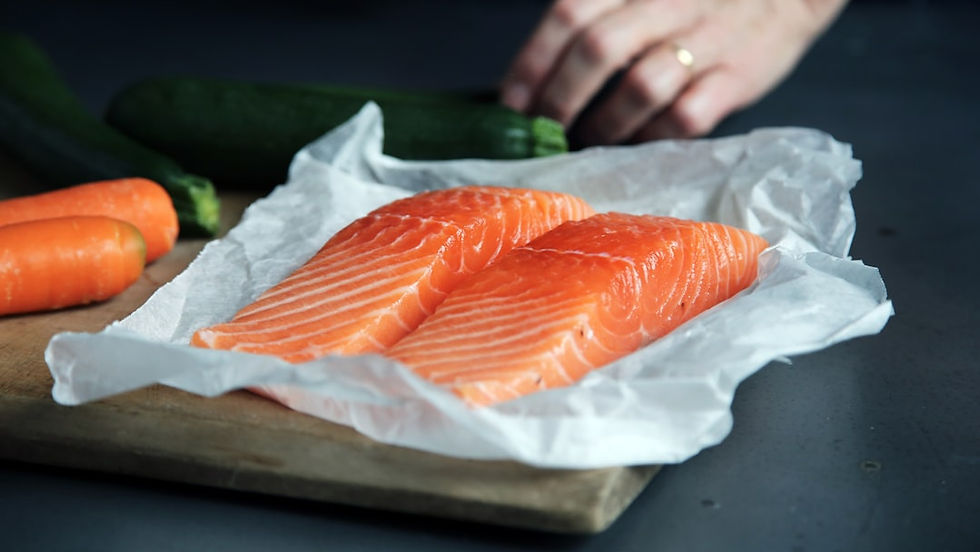
Fish like salmon, mackerel, herring, and sardines are packed with omega-3 fatty acids. Specifically, they contain EPA and DHA, two potent types of omega-3s. Your body metabolizes these fats into compounds called resolvins and protectins, which have strong anti-inflammatory effects.
Think of omega-3s as the peacekeepers that tell your immune system it is okay to stand down. A study showed a direct link between higher fish consumption and lower levels of inflammatory markers. For those who do not eat fatty fish, other low-fat fish options still offer some benefits, albeit in smaller amounts.
Aim for two to three servings of fatty fish each week. Try baking salmon with lemon and herbs, or add canned sardines to a salad for a quick and affordable protein boost. Don't like fish? A high-quality fish oil supplement can be a good alternative; however, it's best to consult your doctor first.
Berries: Sweet and Mighty Antioxidants
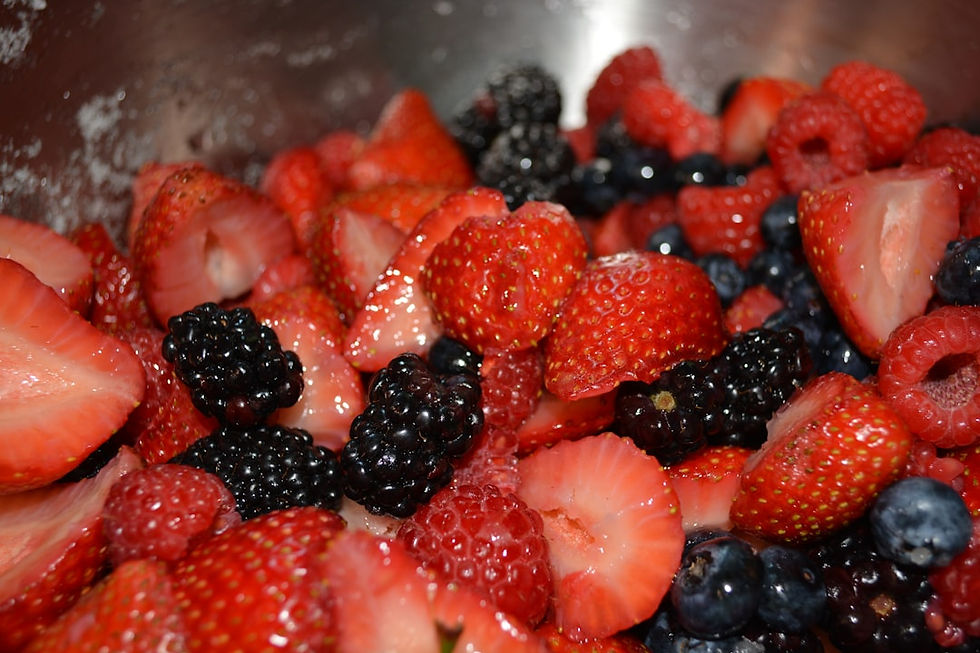
Strawberries, blueberries, raspberries, and blackberries are not just delicious. They are loaded with antioxidants called anthocyanins. These are the pigments that give berries their vibrant red, purple, and blue colors.
Anthocyanins work by neutralizing free radicals, which are unstable molecules that can cause cellular damage and trigger inflammation. They essentially act like bodyguards for your cells. Plus, berries may help your body produce more of its own natural killer cells, which are key to a healthy immune response.
A handful of berries on your morning oatmeal, blended into a smoothie, or simply eaten as a snack, is an easy way to get more of these power-packed fruits into your day. Buying frozen berries is a great, cost-effective option, and they are just as nutritious.
Leafy Greens: Nature's Anti-Inflammatory Team

Green leafy vegetables like spinach, kale, and Swiss chard are some of the most nutrient-dense foods you can eat. They are rich in vitamins, minerals, and powerful antioxidants, especially Vitamin K. Vitamin K helps regulate your body's inflammatory response and supports overall health benefits.
These greens also contain a variety of plant-based compounds that protect your cells from inflammatory damage. A Harvard Health article highlights how a diet high in these types of vegetables can significantly lower inflammatory markers in the blood. Focusing on green leafy foods is a cornerstone of any anti-inflammatory diet.
Making a large salad for lunch is an obvious choice. But you can also wilt a huge handful of spinach into soups, stews, or pasta sauces. It cooks down so much you will barely notice it is there, but your body will thank you for improving your gut health.
Nuts and Seeds: Small but Powerful
Almonds, walnuts, chia seeds, and flaxseeds are fantastic sources of anti-inflammatory fats, protein, and fiber. Walnuts are particularly high in an omega-3 fatty acid called ALA. While your body has to convert ALA into the more powerful forms of EPA and DHA, it still offers significant benefits.
Nuts and seeds contain monounsaturated fats, which have been shown to calm inflammation. The fiber they contain also feeds the good bacteria in your gut, and a healthy gut is central to managing your body's inflammatory response. Sprinkle them on salads, blend them into smoothies, or just grab a small handful for a satisfying snack.
Here is a quick comparison of a few popular choices.
Nut/Seed (1 oz) | Key Nutrient | Benefit |
Walnuts | Alpha-Linolenic Acid (ALA) | Plant-based omega-3. |
Almonds | Vitamin E | Antioxidant protection. |
Flaxseeds | Lignans & Fiber | Feeds good gut bacteria. |
Healthy Fats: Olive Oil and Avocados
Extra virgin olive oil is a foundational component of the Mediterranean diet, long celebrated for its health benefits. The main anti-inflammatory effect comes from an antioxidant called oleocanthal, which has been shown to work similarly to ibuprofen. Using olive oil as your primary cooking fat is a simple switch with powerful results.
Avocados are another excellent source of healthy monounsaturated fats, along with potassium, magnesium, and fiber. The compounds in avocados can help reduce inflammation in new skin cells. Adding half an avocado to your salad or toast is an easy way to boost your intake of anti-inflammatory foods.

Colorful Veggies: Eat the Rainbow
The more colors you can get on your plate, the better. Vegetables like broccoli, bell peppers, and carrots are full of different antioxidants and compounds that fight inflammation. Each color signals a different set of protective nutrients.
Broccoli, for instance, contains sulforaphane, a powerful antioxidant that helps reduce inflammation by targeting key pathways in your cells. Tomatoes are a fantastic source of lycopene, another antioxidant known for its anti-inflammatory properties. The combination of tomatoes and olive oil, a classic pairing, actually enhances your body's ability to absorb this powerful nutrient.
Brightly colored bell peppers are full of quercetin, another inflammation fighter. Roasting a big tray of mixed vegetables at the start of the week makes it easy to add them to any meal. They are great as a side dish, tossed into a wrap, or mixed with scrambled eggs.

Spices and Herbs: Flavor That Fights Back
Some of the most powerful anti-inflammatory agents can be found right in your spice cabinet. Turmeric, in particular, has gained a lot of attention. It contains a compound called curcumin, which is a very strong natural anti-inflammatory.
Curcumin is so effective that some studies suggest it can be as potent as certain anti-inflammatory drugs, but without the side effects. The key is to consume it with black pepper, which contains piperine, a substance that dramatically boosts your body's ability to absorb the curcumin. A review of several studies confirms curcumin's therapeutic potential for a healthy diet.
Ginger is another amazing spice with a long history of use for soothing upset stomachs and reducing inflammation. It contains compounds called gingerols that are responsible for these effects. Try adding fresh ginger to stir-fries or brewing it into a tea for a warming, calming drink.

Dark Chocolate and Cocoa: A Delicious Defense
This might be the best news you hear all day. Dark chocolate and cocoa are packed with flavanols, which are antioxidants with significant anti-inflammatory effects. These compounds help keep the cells that line your arteries healthy, which is great for your overall cardiovascular system.
The trick is to choose the right kind of chocolate. Look for dark chocolate with at least 70% cocoa content or higher. The higher the cocoa percentage, the more flavanols it contains and the less sugar it has.
A small square of high-quality dark chocolate can be a satisfying and healthy treat. Just remember that it is still high in calories, so moderation is key.

Foods That Can Make Inflammation Worse
Just as some foods can calm inflammation, others can fuel it. Being aware of these common inflammatory foods can make a big difference. You do not have to eliminate them, but reducing your intake is a smart move that can have a big impact.
Sugar and Refined Carbohydrates
Foods high in added sugar and refined carbs are major contributors to inflammation. This includes sugar-sweetened beverages like sodas and sports drinks, as well as baked goods made with white flour. These foods cause a rapid spike in blood sugar, prompting your body to release an excess of inflammatory messengers.
Reading food labels is crucial to identifying hidden sugars in processed food. Reducing your consumption of white bread, pastries, and sugary snacks can significantly lower your inflammatory load. Opting for whole grains provides more fiber and nutrients without the inflammatory spike.
Processed and Fried Foods
Many processed foods contain ingredients that promote inflammation. Processed meat products like hot dogs and some deli meats are often high in saturated fats and preservatives. Similarly, deep-fried foods like French fries and fried chicken are problematic.
High-heat cooking, especially when cooking meat like red meat, creates compounds called advanced glycation end products (AGEs), which are highly inflammatory. Choosing leaner cuts of meat and gentler cooking methods like baking or steaming can help. Reducing intake of heavily processed foods is a key step to combat inflammation.
Unhealthy Fats
Not all fats are created equal. Trans fats, often found in fried foods and many baked goods, are particularly harmful. Look for "partially hydrogenated" oil on food labels, as this is the primary source of artificial trans fats, and avoid it whenever possible.
While some omega-6 fatty acids are necessary, modern diets often contain a much higher ratio of omega-6s to omega-3s, which can be pro-inflammatory. These are commonly found in oils like corn, soybean, and sunflower oil, which are prevalent in processed foods. Balancing your fat intake by including more omega-3s is a great strategy for better health.
It's More Than Just Food: Lifestyle Tweaks Matter
While diet is a cornerstone of managing inflammation, your daily habits play a huge role too. Getting enough quality sleep is critical. When you are sleep-deprived, your body produces more inflammatory markers, increasing your risk for weight gain and other issues.
Chronic stress is another major contributor. Finding healthy ways to manage stress, like walking, yoga, or deep breathing, can help lower your cortisol levels and calm your system. A healthy lifestyle incorporates both a balanced diet and consistent stress management techniques.
Gentle, consistent exercise is also incredibly beneficial for reducing inflammation and improving your overall health. You do not need intense workouts; even regular brisk walking has been shown to have a positive effect. These lifestyle changes work together with an anti-inflammatory diet to produce the best results.
Conclusion
Taking control of your health can feel overwhelming, but it does not have to be. Focusing on adding more whole, delicious inflammation reducing foods to your diet is a simple and powerful place to start. Every healthy choice you make is a vote for a stronger, healthier you.
An anti-inflammatory diet is not a temporary fix but a long-term eating plan for better wellness. By piling your plate with these incredible anti-inflammatory foods, you are not just eating. You are building a foundation for a healthier life, one meal at a time.
Stay on top of your health. Book your general physical today — same-day slots open!


Comments