Healthy Sugar Alternatives: Smart Swaps for Sweet Cravings
You’ve probably heard that you should cut down on sugar. That’s easier said than done, especially if you love sweets. The good news is you don’t have to give up your favorite treats or morning coffee. With healthy sugar alternatives, you can still enjoy sweetness without the guilt.
Cutting back on sugar doesn’t mean losing flavor. These healthy sugar alternatives offer the taste you love while helping you avoid the downsides of too much refined sugar. In this guide, we’ll explore the best options to satisfy your sweet tooth more smartly.
Table Of Contents:
Why Bother With Sugar Substitutes?
You might wonder if cutting back on sugar really matters. The truth is, it does — and more than most people realize. Added sugar is everywhere in modern diets, often hidden in unexpected foods like salad dressings, pasta sauces, and even bread.
Our bodies need a small amount of sugar for energy, but most people consume far more than necessary. The American Heart Association warns that too much sugar increases the risk of chronic diseases and can lead to unwanted weight gain. Overconsumption, especially of refined sugars like high fructose corn syrup, can take a serious toll on your health.
Choosing better sugar substitutes can help balance your energy levels and prevent blood sugar spikes. It also helps reduce empty calories, supporting both weight management and long-term wellness. Making this one change can create a positive ripple effect across your overall health and significantly lower your refined sugar intake.
Your Guide to Healthy Sugar Alternatives
Are you ready to explore your options? The market for sugar sweeteners has grown a lot, so you have plenty of choices. Let's look at some of the most popular and effective natural sweeteners so you can find what works best for you.
Stevia
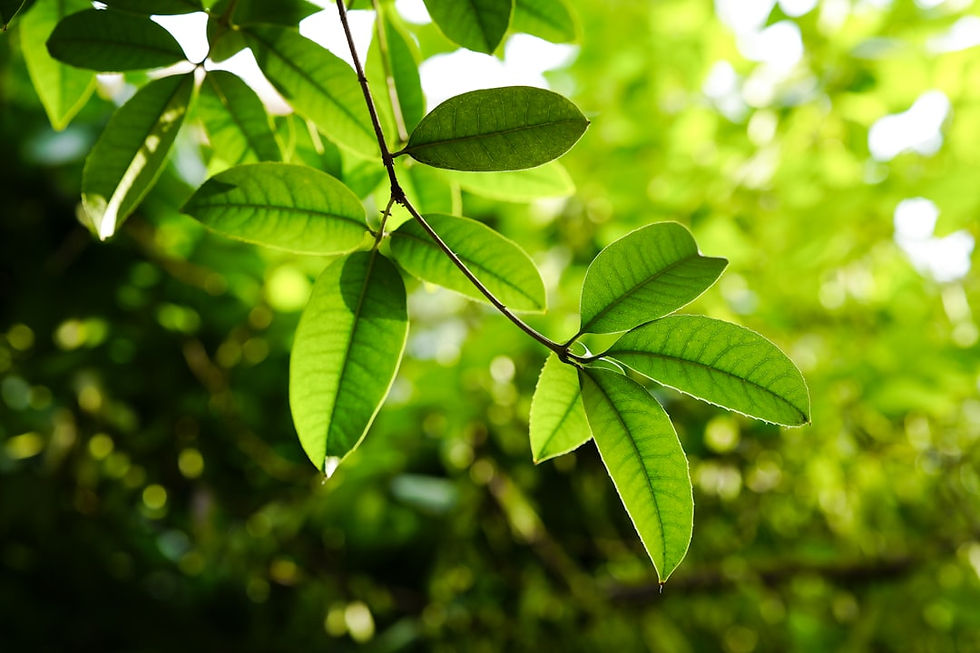
Stevia is one of the most well-known healthy sugar alternatives. It comes from the leaves of the Stevia rebaudiana plant, which is native to South America. People there have used this fruit sweetener for hundreds of years to sweeten drinks and make tea.
The popularity of stevia stems from the fact that it contains zero calories and does not raise insulin levels or blood sugar. This makes it an excellent alternative for people managing their blood sugar. It is also incredibly potent, often cited as being up to 200 times sweeter than regular table sugar, meaning you only need a tiny amount.
Some people notice a slightly bitter or licorice-like aftertaste with stevia. Many brands now isolate specific compounds called steviol glycosides, like Rebaudioside A (Reb A), to create a cleaner, more sugar-like taste. Numerous human studies have been conducted, and it is generally considered safe for most people when used in moderation. sugar-like
Monk Fruit Sweetener
Monk fruit is another fantastic zero-calorie option that has become a fan favorite sugar substitute. This sweetener is extracted from a small, green melon from the Siraitia grosvenorii plant, which grows in Southeast Asia. For centuries, the Grosvenorii plant has been used in traditional Chinese medicine for its health benefits.
Its sweetness comes from unique antioxidants called mogrosides, not from fructose or sucrose. Like stevia, monk fruit is much sweeter than sugar, around 150 to 200 times sweeter. A huge advantage for many is that the sweetener monk fruit generally does not have the bitter aftertaste some people associate with stevia.
Because the sweetener monk fruit extract is so potent, it's often blended with other ingredients like erythritol to bulk it up and make it easier to measure for recipes. It works well in just about everything, from your morning oatmeal to baked goods. You get that desired sweetness without the calories or the blood sugar spike.

Erythritol
Erythritol belongs to a category of sweeteners called sugar alcohols. These compounds have a chemical structure that is a hybrid between a sugar molecule and an alcohol molecule. It is found naturally in small amounts in fruits like pears and grapes.
It has about 70% of the sweetness of sugar but with almost no calories. Our bodies do not have the enzymes to break down most of it, so it passes through the system unmetabolized. This means it has very little effect on blood sugar or insulin, making it a good choice among calorie sweeteners.
There is a potential downside for some people. Eating large amounts of erythritol can cause digestive issues like bloating and gas because it can ferment in the large intestine. As this Harvard Health Publishing article explains, moderation is important with any sugar alcohol.
Always start small to see how your body handles it; other sugar alcohols, sugar substitutes include xylitol and sorbitol.

Allulose
Allulose might just be the new kid on the block, but it is making a big impression. It's a type of rare natural sugar that exists in very small quantities in foods like figs, raisins, and maple syrup. It has a taste and texture that are remarkably similar to real sugar.
With about 70% of the sweetness of sugar, it measures very easily in recipes. The best part is that it has only about one-tenth of the calories. Our bodies absorb allulose but do not metabolize it, so it is excreted without impacting blood sugar levels, which helps to reduce blood sugar fluctuations.
It is a game-changer for low-carb baking because it behaves like sugar. It can caramelize and brown, giving your cookies and cakes that authentic texture and color that other substitutes can't replicate. The FDA has recognized that it can be excluded from "total" and "added" sugar counts on labels, which is a huge step forward for sugar alternatives.

Yacon Syrup
You may not have heard of yacon syrup, but it is worth a look. This sweet syrup is extracted from the root of the yacon plant, found in the Andes mountains of South America. It has a thick consistency like molasses with a deep, caramel-like flavor.
It contains a high concentration of fructooligosaccharides (FOS), a type of soluble fiber. This fiber is not digested by the body and instead acts as a prebiotic. This means it is a good source of food for the beneficial bacteria in your gut.
Because of this, yacon syrup can support a healthy gut microbiome. However, this same property means you should use it sparingly to avoid digestive upset. It is also sensitive to heat, so it is best for drizzling over yogurt, oatmeal, or using in no bake desserts and energy bars.

Dates
For those looking for a whole food approach, dates are an excellent choice. This fruit sweetener comes in various forms, including whole dates, date paste, and date syrup. Unlike refined sweeteners, dates provide more than just a sweet taste; they also contain fiber, vitamins, and minerals.
Using date paste or syrup in baking adds moisture and a rich, caramel-like flavor. Because they are a whole food, they contain natural sugars, so they will impact your blood sugar. However, the fiber content helps slow down the absorption, leading to a more gradual rise compared to table sugar.
Making your own date paste is simple: just soak pitted dates in hot water and blend until smooth. This makes a great binder and sweetener for energy bars or oatmeal cookies. While not a zero-calorie option, dates are a much more nutrient-dense way to sweeten your food. nutrient-dense.

Maple Syrup and Honey
What about good old-fashioned honey and maple syrup? They are natural, but it is important to be clear: they are still sugar. Your body will process them much like it does table sugar, and they will raise your blood sugar.
However, they offer a slight advantage over highly processed white sugar or high fructose corn syrup. Raw honey and pure maple syrup contain antioxidants, vitamins, and minerals. According to an article from WebMD, honey also has natural antimicrobial properties.
Think of these as better sugars, not sugar-free sugar substitutes. They are best used in small amounts to add flavor. A spoonful in your tea or a light drizzle over pancakes can be part of a healthy diet, but you should not use them in large quantities as calorie sweeteners.
Sweetener | Sweetness vs. Sugar | Calories (per tsp) | Best For | Things to Note |
Stevia | 200x sweeter | 0 | Drinks, Sauces | Some find an aftertaste from the Stevia rebaudiana plant. |
Monk Fruit | 150-200x sweeter | 0 | Drinks, Baking, General Use | Often mixed with other sweeteners from Siraitia grosvenorii. |
Erythritol | 70% as sweet | Almost 0 | Baking, Coffee/Tea | It can cause digestive issues in large amounts. |
Allulose | 70% as sweet | Almost 0 | Baking, Sauces, Ice Cream | Acts most like sugar and browns well. |
Yacon Syrup | Less sweet | ~13 | Drizzling, No-bake recipes | Supports gut health; not for high-heat cooking. |
Dates | Varies | ~20 | Baking, Smoothies, Energy Bars | Whole food with fiber and nutrients. |
Honey/Maple Syrup | Slightly sweeter | ~20 | Flavoring, moderate use | Still sugar, but it contains beneficial compounds. |
What About Artificial Sweeteners?
When you look for a sugar substitute, you will also find a category known as artificial sweeteners. Popular alternatives include aspartame, sucralose, and saccharin. These are synthetic chemical products created in a lab, which sets them apart from the natural sugars and plant-based extracts we've discussed.
An artificial sweetener provides an intensely sweet taste with zero calories. They have been used for decades in diet sodas and "sugar-free" products. While they are deemed generally safe by regulatory bodies, there is ongoing debate about their long-term effects on gut health and metabolism.
Many people choose natural sweeteners over artificial sweeteners to avoid synthetic ingredients. The choice is personal, but it is helpful to understand the difference between a sweetener extracted from a plant and one created chemically. Reading labels on processed foods can help you identify which type of sweetener is being used.
How to Choose the Right Sweetener For You
With so many options available, choosing the right sweetener can feel confusing. The best healthy sugar alternative depends on your taste preferences, dietary needs, and how you plan to use it. There’s no single answer that works for everyone.
Start by thinking about what you’re making. For baking, allulose is great if you want cookies that brown and taste close to sugar. If you’re sweetening drinks like iced tea or coffee, liquid stevia or monk fruit extract can be the perfect fit.
Taste and digestion also matter. Some people are sensitive to the aftertaste of certain sweeteners or experience bloating from sugar alcohols like erythritol. Try experimenting in small amounts to see what works best — the goal is to find a sweetener that tastes good, feels good, and helps you cut back on sugar naturally.
Conclusion
Making the switch away from refined sugar can be one of the best things you do for your health. Luckily, you have a huge variety of healthy sugar alternatives to help you on your way. You do not have to feel like you are missing out on your favorite flavors.
Whether you choose stevia for your morning drink or allulose for your weekend baking, there is an option for you. It is about finding a balance that works for your lifestyle and your taste buds. Trying these different healthy sugar alternatives can be a simple and delicious step toward a healthier you.
Stay on top of your health. Book your general physical today — same-day slots open!


Comments