Effective Health Clinic Language Barriers Solutions
- Jan 17, 2025
- 8 min read
Updated: Dec 9, 2025
Imagine sitting in an exam room, feeling sick and worried. The doctor is talking, but the words do not make sense. It is like you are separated by a thick wall of glass. This feeling is a daily reality for many people in our communities, and it is why finding real health clinic language barriers solutions is so important.
Clear communication in health care is the foundation of safe, effective, and compassionate medical care. When patients and providers cannot understand each other, serious problems can happen. Many clinics are stepping up with creative and practical health clinic language barriers solutions to tear down that wall.
Table Of Contents:
Why Language Barriers Are More Than Just an Inconvenience
A simple misunderstanding can have huge consequences for a patient. Someone might not explain their symptoms correctly, leading to a wrong diagnosis. Or they might not understand how to take their medication, which could lead to serious harm or hospitalization.
Patients with limited English proficiency (LEP) often face worse health outcomes and are at a higher risk for medical errors. These communication gaps can impact patient outcomes directly, leading to longer hospital stays and more readmissions. This is a critical issue of patient safety and health equity that healthcare organizations must address.
When communication breaks down, so does trust between a patient and their care providers. A patient who feels unheard or disrespected is less likely to come back for follow-up care or to adhere to treatment plans. This creates a cycle of poor health that affects not just individuals but entire communities.
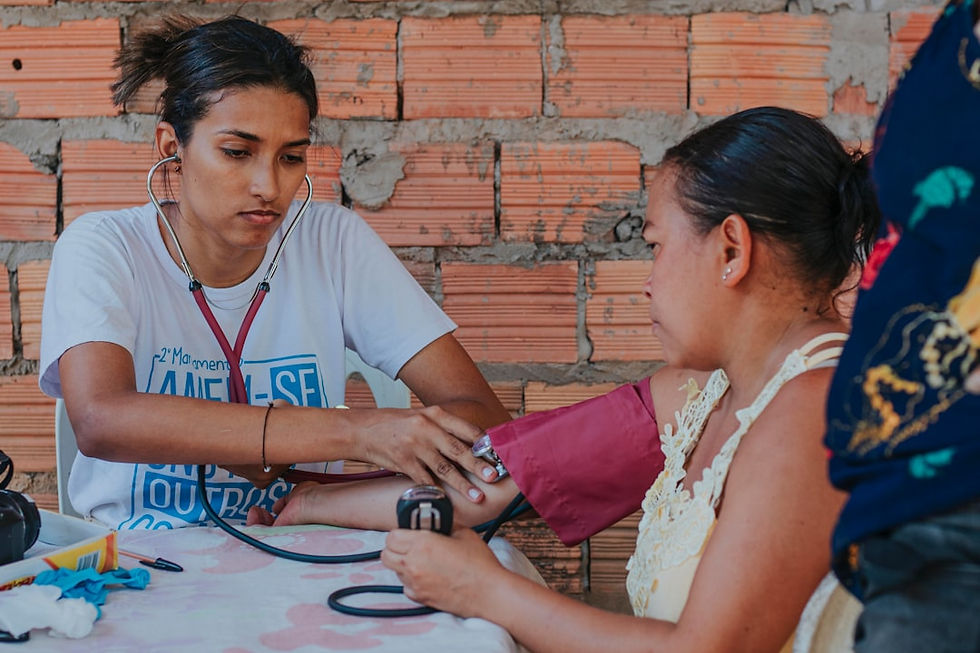
Building a Bridge with People: Interpreters and Bilingual Staff
One of the most powerful ways for healthcare professionals to connect with patients is through another person. Technology can help, but nothing replaces the nuance and empathy of human interaction. This is where trained professional staff make all the difference in overcoming language barriers.
The Gold Standard: Professional Medical Interpreters
Using a patient's family members or a child to translate might seem like an easy fix, but it is full of risks. They may not know complex medical terms and often lack the impartiality needed for sensitive discussions. They might also unintentionally filter information to protect their loved one, leaving out important details the doctor needs to know.
Professional medical interpreters are the real answer to overcoming language barriers. They are trained in medical vocabulary, ethics, and patient confidentiality requirements like HIPAA. Medical interpreters do more than just swap words; they convey the exact meaning and tone, which is vital for an accurate diagnosis and building rapport.
An effective interpreter also acts as a cultural broker, helping both parties understand cultural differences that might affect care. Clinics now have several ways to get this help through dedicated interpreter services. This approach helps bridge the communication divide and ensures that quality medical care is delivered.
The Power of a Welcoming Face: Hiring Bilingual Staff
What happens when a patient first walks in the door? A warm greeting in their own language can instantly put them at ease. This is why hiring bilingual healthcare professionals for roles at the front desk, as medical assistants, and as nurses is a game-changer.
These staff members become familiar faces and trusted guides for a diverse patient population. They can help with everything from filling out registration forms to explaining what to expect during a visit. This small touch makes a clinic feel like a safe and welcoming place for everyone, especially for patients who do not speak English.
Having a bilingual healthcare team sends a clear message that you are committed to inclusive care. It demonstrates that you see, understand, and are prepared to help your entire community. This is a core part of creating a truly welcoming environment where patients feel respected from the moment they arrive.

Creating a Comprehensive Language Access Plan
To truly address communication challenges, healthcare organizations need a formal strategy. A language access plan is a written document that outlines how a clinic will provide services to individuals with limited English proficiency. This access plan ensures that language support is consistent, reliable, and available to every patient who needs it.
First, the plan should begin with an assessment of your patient population. By analyzing demographic data, you can identify the primary languages spoken by the communities you serve. This information helps you prioritize which languages to support with translated materials and interpreter services.
Next, your plan should detail the specific language services you will offer. This includes defining the protocols for when and how to use different types of assistance. For example, the plan might specify that an in-person interpreter should be used for surgical consents, while phone interpreting is suitable for scheduling appointments.
An effective language access plan also includes provisions for ongoing training for all staff members. This education should cover how to identify a patient needing language assistance and how to work with an interpreter effectively. Regular training reinforces the clinic's commitment and keeps the healthcare team skilled in providing linguistically appropriate care.
General physical. Same-day availability.
Practical Health Clinic Language Barriers Solutions You Can Implement Now
Fixing communication gaps does not always need a massive budget. Many powerful solutions involve changing processes and making existing resources more accessible. You can start with some simple, effective steps today.
Training Your Current Team
Beyond hiring new staff, you can give your current team the tools they need to communicate effectively. Language training programs can teach providers and staff basic conversational phrases in the most common languages spoken in your area. This investment in language skills shows a genuine effort to connect with patients.
The goal is not to make everyone fluent. Instead, it is about being able to offer a simple greeting, ask a patient how they are feeling, or give basic instructions. These small efforts build a powerful connection, improve patient satisfaction, and show patients that you care enough to try.
This training should go hand-in-hand with cultural competency education. Understanding a patient's cultural background, including non-verbal cues and body language, helps explain their views on health and healing. This deeper understanding prevents misunderstandings and leads to better care plans that respect the patient's beliefs and values.

Making Information Accessible for Everyone
Think about all the paperwork a patient sees during a visit. There are consent forms, privacy notices, financial aid applications, and after-visit summaries. If a patient cannot read them, how can they make an informed decision about their health?
A key solution is to provide all vital documents in multiple languages through professional translation services. According to federal guidelines, this is a critical part of giving equal access to care. It empowers patients by giving them the information they need in a format they understand, which is a key part of good healthcare delivery.
This goes beyond forms. Patient education materials, like brochures about managing diabetes or flyers about clinic services, should also be available in different languages. When patients can read and understand their treatment plans, they are far more likely to follow them, leading to better health outcomes.
Simple Signage and Wayfinding
A health clinic can feel like a maze, especially if you are a new patient. Now imagine trying to find your way around when you cannot read the signs. This adds another layer of stress to an already difficult situation.
Using multilingual signage throughout the clinic is a simple yet powerful fix. Signs directing people to the lab, the pharmacy, or the restrooms should include the main languages of your community. It is a small detail that makes a huge difference in a patient's experience and overall satisfaction ratings.

You can also use universal symbols alongside words, which can be understood by anyone, no matter what language they speak. An image of a syringe for the lab or a person in a wheelchair for accessible entrances can be helpful visual cues. These elements make the clinic easier for everyone to get around in, from the main lobby to the emergency department.
Using Technology to Fill the Gaps
While people are the best bridge, technology offers fantastic tools that can fill communication gaps quickly and effectively. Modern tools are making it easier than ever for clinics to get on-demand language assistance when they need it most. Thoughtful use of technology can greatly enhance language access.
Interpreter Service Options
When human interpretation is necessary, clinics have multiple options for interpreter services. Choosing the right one depends on the situation's urgency, complexity, and sensitivity. Understanding the differences is essential for providing the best care.
An in-person interpreter is ideal for complex or sensitive conversations, such as end-of-life discussions or initial psychiatric evaluations. For immediate needs or shorter interactions, remote interpreting is a valuable tool. Video Remote Interpreting (VRI) and Over-the-Phone Interpreting (OPI) connect clinics with a qualified interpreter in minutes, ensuring no patient has to wait for language support.
To help you decide, here is a simple comparison:
Service Type | Best For | Key Advantage |
In-Person Interpreter | Complex, sensitive, or long appointments. | Allows for reading body language and building strong rapport. |
Video Remote Interpreting (VRI) | Urgent needs and visual communication (e.g., demonstrating how to use an inhaler). | Fast connection with visual cues. |
Phone Interpreting (OPI) | Quick, simple interactions like appointment scheduling or prescription refills. | Immediate access for hundreds of languages. |
Translation Apps and Devices
In today's world, we have powerful translation tools right in our pockets. Clinics are using tablets and handheld devices with translation apps for quick conversations. These are useful for non-medical interactions, like scheduling an appointment or asking a simple question.
However, it is important to be careful with machine translation. Automated translation often lacks the technical accuracy needed for medical terms and cannot grasp context or culturally specific phrasing. A simple error in translation could have serious consequences for patient safety.
Think of these apps as a helpful supplement, not a replacement for professional interpreters. They are great for quick, simple phrases. For anything related to a diagnosis, treatment plan, or consent, you still need a qualified human interpreter to ensure accuracy and understanding.
Telehealth with Built-in Language Support
The rise of telemedicine has opened up new ways to connect with patients. Many modern telehealth platforms now include built-in interpretation services. With the click of a button, a doctor can bring a video interpreter directly into the virtual visit.
This has been a lifeline for patients in remote areas or for those who have trouble traveling to a clinic. It is especially beneficial for patients of a lower socioeconomic status who may face transportation and childcare barriers. This innovation breaks down geographic and linguistic walls at the same time.
By using technology thoughtfully, clinics can expand their reach and provide high-quality care to more people. They can give consistent care to more individuals in their community. It shows a commitment to using every available tool to make sure language is never a barrier to good health.
Conclusion
When a patient feels truly understood, they become an active partner in their own healthcare journey. Breaking down language barriers is one of the most meaningful things a clinic can do for its community. It transforms the quality of the care delivered and improves patient satisfaction ratings.
From creating a formal language access plan to hiring bilingual staff and using smart technology, there are many effective health clinic language barriers solutions. Combining these approaches helps create a healthcare system that is truly accessible and welcoming to all patients. It is about building trust, ensuring safety, and delivering the compassionate care everyone deserves.
General physical. Same-day availability.


Comments